Upper Limb Anatomy is the study of the structures of the shoulder, arm, forearm, wrist, and hand, which work together to provide mobility, strength, and precise movements. It includes the bones, joints, muscles, tendons, ligaments, nerves, blood vessels, and connective tissues that enable activities such as lifting, reaching, grasping, writing, and fine motor control. The upper limb is designed for a wide range of motion while maintaining stability and coordination through the interaction of the musculoskeletal and nervous systems. Understanding upper limb anatomy is essential for diagnosing and treating conditions such as fractures, dislocations, tendon injuries, nerve compression syndromes, and shoulder, elbow, wrist, or hand disorders. It forms a fundamental part of medical, physiotherapy, nursing, orthopedic, and sports medicine education.
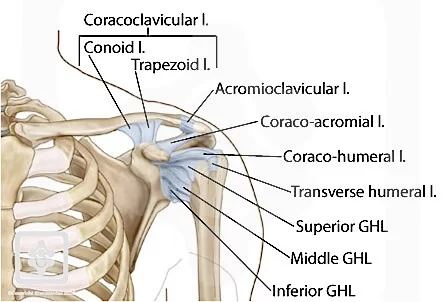
Introduction The coracohumeral ligament is crucial in the shoulder joint. The larger tubercle of the humerus and the coracoid process of the scapula are joined by this ligament. Restricting excessive…