
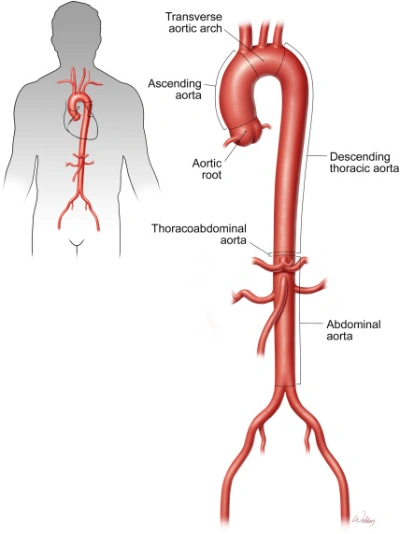
Abdomen Anatomy

Abdomen Anatomy is the study of the structures within the abdominal region, located between the thorax and the pelvis. It includes the stomach, liver, gallbladder, pancreas, spleen, small intestine, large intestine, kidneys, adrenal glands, major blood vessels, nerves, and supporting muscles. These organs work together to perform essential functions such as digestion, nutrient absorption, metabolism, waste elimination, and hormone regulation. Understanding abdomen anatomy is crucial for identifying the relationships between abdominal organs and diagnosing conditions such as abdominal pain, digestive disorders, hernias, and organ diseases. It is a fundamental subject for medical, physiotherapy, nursing, and other health science students, providing the anatomical knowledge needed for effective clinical practice.