
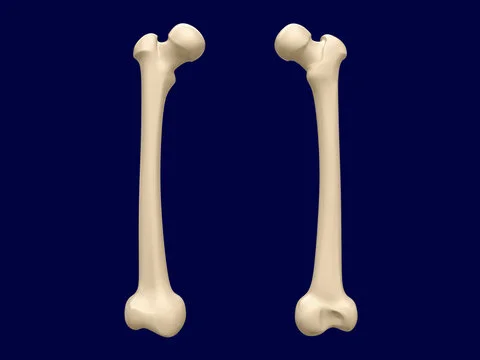
Lower Limb Anatomy

Lower Limb Anatomy is the study of the structures of the hip, thigh, knee, leg, ankle, and foot, which provide support, balance, and movement for the body. It includes the bones, joints, muscles, tendons, ligaments, nerves, blood vessels, and connective tissues that work together to enable standing, walking, running, jumping, and maintaining posture. The lower limb is specially adapted to bear the body’s weight while providing stability, strength, and efficient locomotion. Understanding lower limb anatomy is essential for diagnosing and managing conditions such as fractures, ligament injuries, muscle strains, joint disorders, gait abnormalities, and sports-related injuries. It is a fundamental subject for medical, physiotherapy, nursing, orthopedic, and sports medicine education, forming the basis for effective assessment, treatment, and rehabilitation.